Article content
White Dolomite Pebbles and Marble Chips: What Is the Difference?
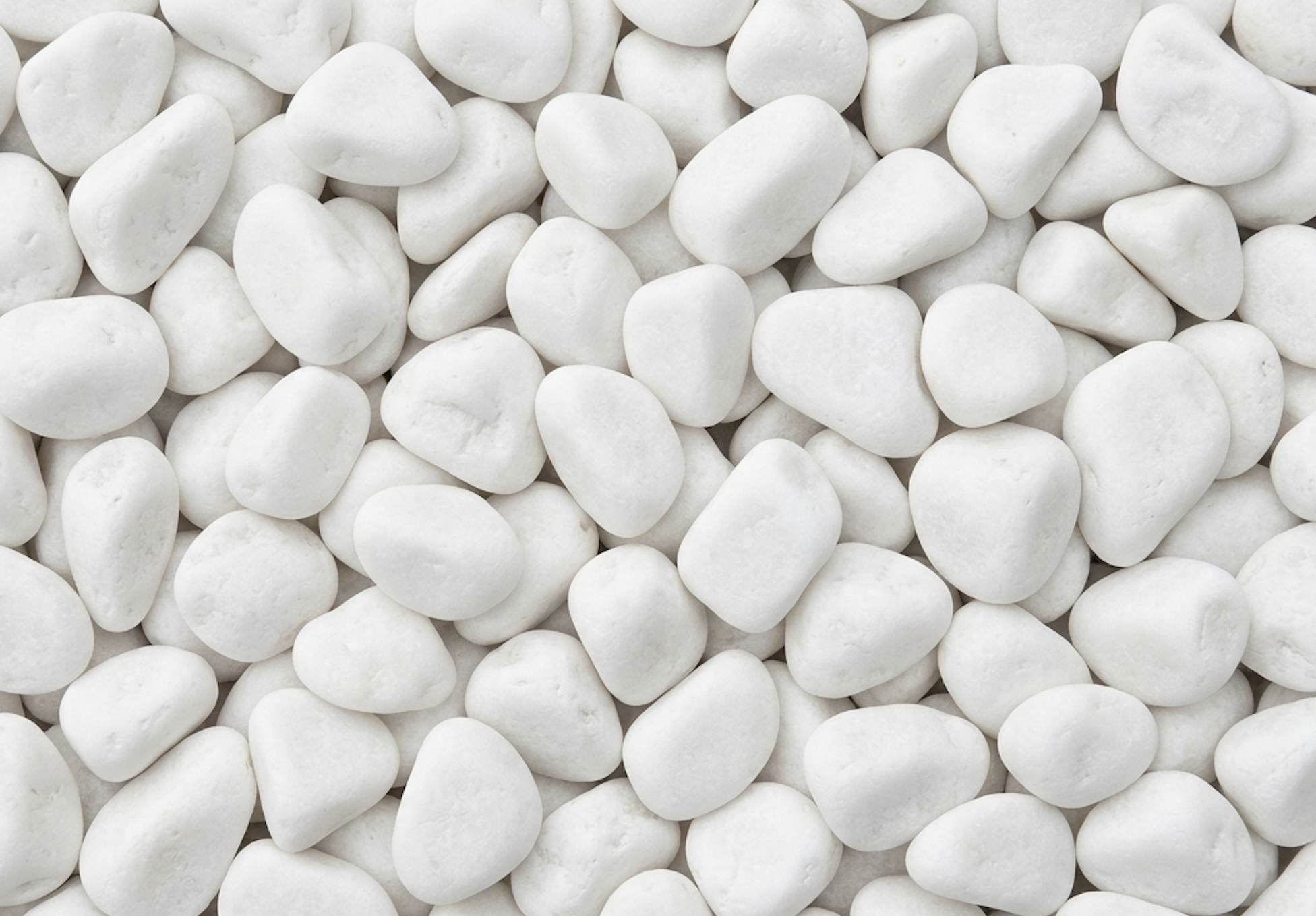
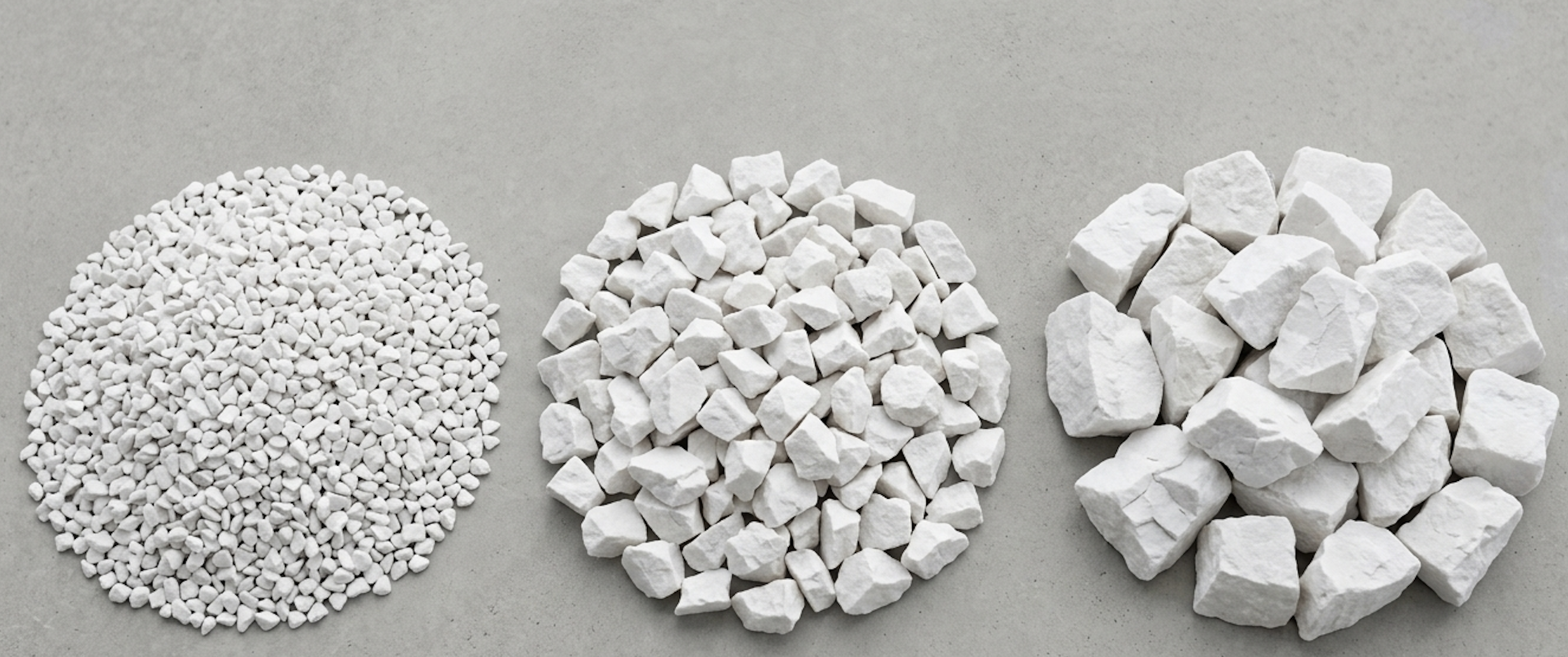
White dolomite pebbles and marble chips are both used as decorative natural stone in gardens, landscape borders, pathways, planting areas and architectural outdoor projects. At first glance, they can appear very similar because both materials are commonly available in white or soft-white tones. The main practical difference is usually the finished form of the stone. Tumbled white dolomite pebbles are processed to create smoother, rounded edges and a softer appearance. Marble chips are generally crushed or mechanically broken pieces with a more angular and irregular shape. It is also important not to treat “marble chips” as one exact geological composition. Commercial marble can contain calcite, dolomite or a combination of carbonate minerals, so buyers should confirm the actual stone type rather than relying only on the product name. For landscaping projects, shape, grading, color consistency, surface character and intended application are often more useful selection criteria than the name alone.
Appearance: Rounded Pebbles or Angular Chips?
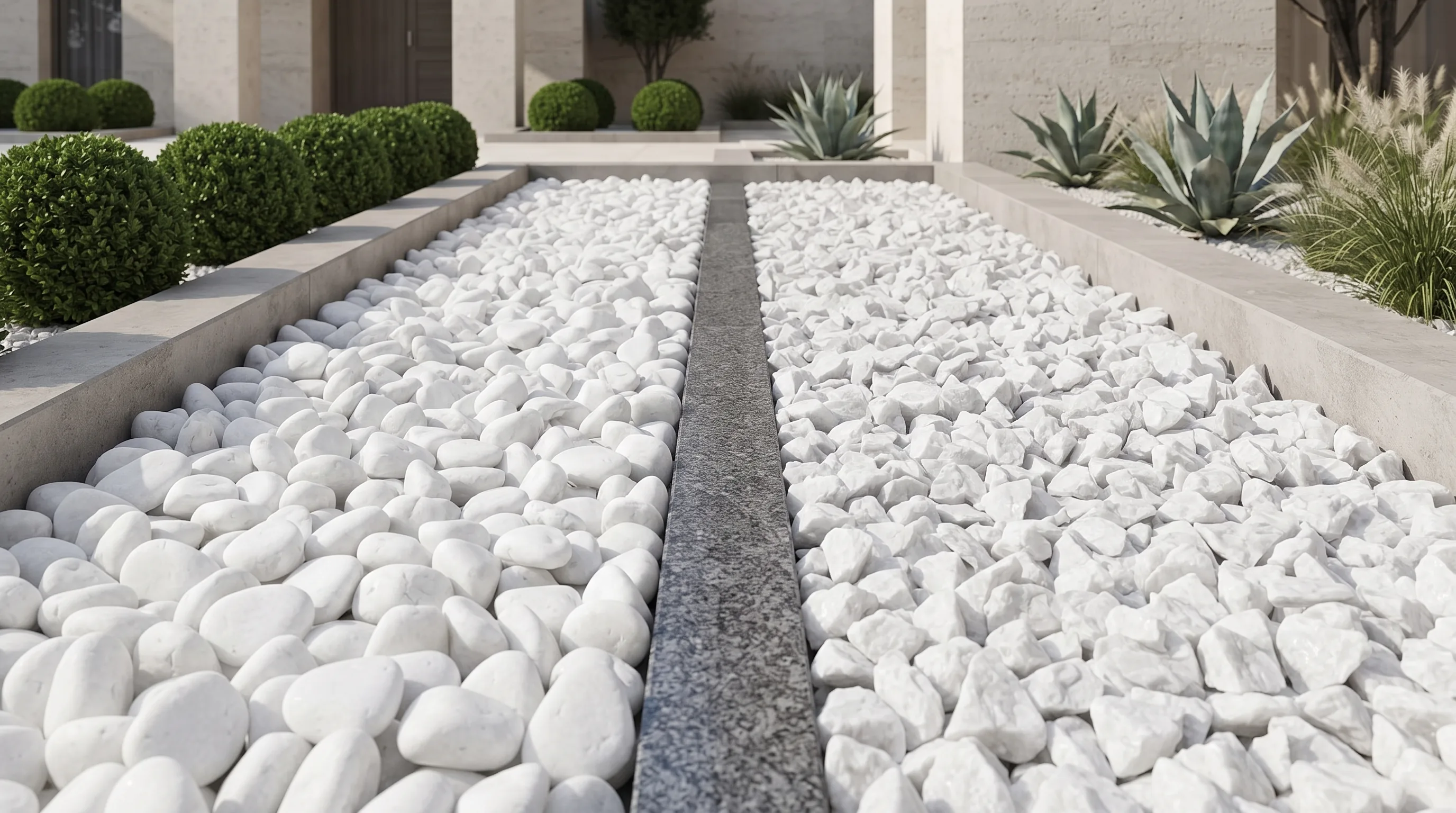
White dolomite pebbles are a strong choice when the design requires a smooth, refined and visually soft surface. Tumbling rounds the edges of the stone and creates a cleaner pebble form that works particularly well with planting beds, fountains, courtyards, stepping stones and contemporary garden borders. Marble chips normally create a sharper and more textured surface because the individual pieces retain angular edges. This appearance can work well in structured landscape designs, decorative ground cover and areas where the designer wants a more fragmented stone texture. The decision therefore depends largely on the visual language of the project. Rounded pebbles tend to create a calmer and more finished decorative effect, while angular chips create a more structured and mineral-looking surface. KIYAMMAR’s White Dolomite Tumbled Pebbles are supplied as rounded, washed decorative stones in white and soft-white tones. KIYAMMAR Marble
Which Is Better for Garden Paths and Walking Areas?
The answer depends on how the path will be used. For decorative paths that include stepping stones or clearly defined pedestrian surfaces, tumbled white dolomite pebbles can provide a premium visual finish around the walking elements. Their rounded profile works especially well in villa gardens, hotel landscapes and architectural garden layouts where appearance is a major consideration. For surfaces where loose stone itself carries more of the pedestrian movement, angular material may provide better interlocking between individual pieces. Crushed stone or angular chips can therefore be more suitable for some functional path designs. Ground preparation remains essential in either case. Compaction, edging, drainage, stone depth and separation from the underlying soil can affect the long-term performance of the finished surface. KIYAMMAR already uses white dolomite tumbled pebbles in representative garden-path applications with stepping stones and defined landscape borders.
Which Material Works Better for Decorative Ground Cover?
Both materials can work as decorative ground cover, but they create different visual effects. White dolomite pebbles are well suited to highly visible areas such as flower beds, tree surrounds, courtyard features, fountains, entrance landscaping and decorative borders. Their rounded form creates a more uniform and finished appearance. Angular stone such as marble chips or crushed dolomite can create stronger surface texture and more defined contrast around plants, architectural edges and larger ground-cover areas. For modern landscaping, designers may even use different stone forms in separate zones: rounded pebbles for feature areas and angular material for broader ground cover or structured borders. The choice should be based on the project layout rather than simply deciding that one material is universally better.
White Dolomite Pebbles vs Marble Chips Around Pools
White decorative stone is frequently used around pools because it provides strong visual contrast with blue water, greenery and neutral paving materials. Tumbled white dolomite pebbles can be attractive in decorative zones, planting beds and landscape strips beside pool areas. Their rounded shape creates a softer visual transition between hardscape and planted areas. Angular chips or crushed stone can create a more architectural appearance and may be preferred in sharply defined landscape beds or minimalist designs. However, decorative loose stone should not automatically be treated as the finished walking surface immediately beside every pool. Surface temperature, drainage, barefoot traffic, stone movement and local project requirements should all be considered during specification. KIYAMMAR’s own project examples use white dolomite crushed stone in defined poolside landscape zones rather than making broad claims about every pool installation.
Maintenance and Keeping White Decorative Stone Clean
White landscaping stone can gradually collect dust, soil, leaves and organic debris regardless of whether the material is dolomite pebble or marble chip. Good installation reduces maintenance. A properly prepared base, suitable landscape fabric where appropriate and effective edging can help prevent the decorative stone from mixing with soil or spreading outside the intended area. Leaves and surface debris should be removed regularly. Light rinsing with clean water can help remove loose dust when required. Muddy runoff, oils and strongly colored contaminants should be kept away from highly visible white-stone areas whenever possible. Because outdoor conditions vary significantly between projects, buyers should avoid assuming that any white decorative stone will remain visually unchanged without routine maintenance.
What Should B2B Buyers Compare Before Ordering?
For commercial landscaping and wholesale supply, buyers should compare more than appearance. Important points include the actual stone material, color consistency, size grading, shape, washing or tumbling quality, total quantity, packing method, project application and destination. For tumbled white dolomite pebbles, KIYAMMAR currently lists common size ranges of 1–3 cm, 2–4 cm, 4–6 cm and 6–10 cm. Main packing is big bag or jumbo bag, while optional 25 kg and palletized packing can be discussed according to project requirements. Current stock, final grading and packing should always be confirmed before ordering. KIYAMMAR Marble For larger projects, buyers should also request current product photographs, size confirmation, packing details and loading information before final approval. This is particularly important when different suppliers use similar commercial names for materials that may vary in composition, processing and visual consistency.
So, Which Should You Choose?
Choose white dolomite tumbled pebbles when the priority is a rounded, smooth and refined decorative appearance. They are particularly suitable for visible landscape features, planting areas, borders, courtyards, fountains, stepping-stone paths and premium outdoor design projects. Choose angular marble chips or crushed stone when the project requires a sharper texture, more structured surface appearance or a stone form that can interlock more effectively in certain ground-cover and path applications. There is no single winner for every project. The right material depends on the required appearance, application, size grading, installation method and maintenance expectations. For buyers sourcing white decorative stone in bulk, KIYAMMAR can provide current information for White Dolomite Tumbled Pebbles and Premium White Dolomite Crushed Stone, including available sizes, packing options, photos, loading information and project quotations. KIYAMMAR’s pebble product is currently offered in several grading ranges, while its crushed dolomite product provides the angular alternative within the same white-dolomite family.