Article content
White Dolomite Gravel, Pebbles and Crushed Stone: Are They the Same?
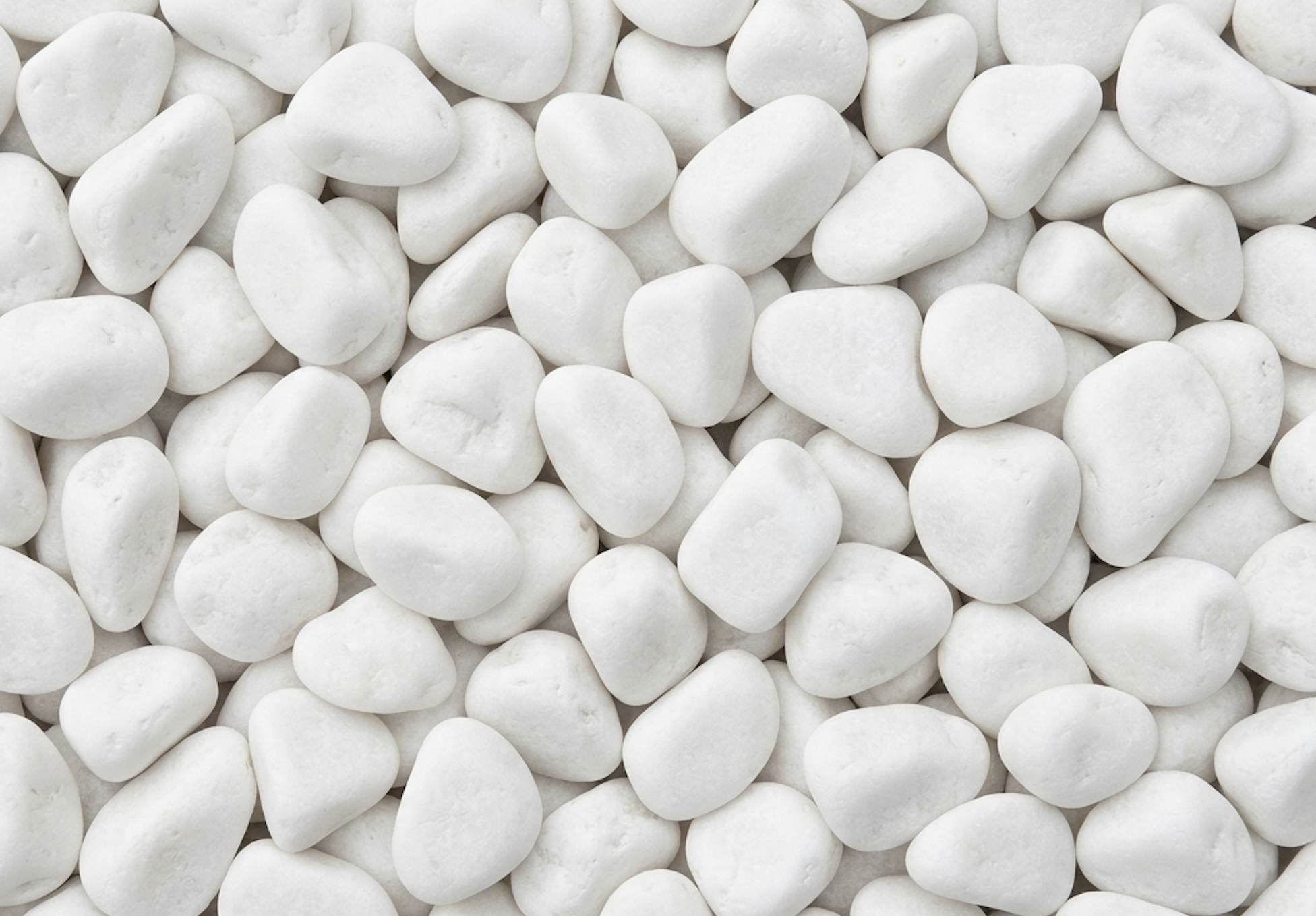
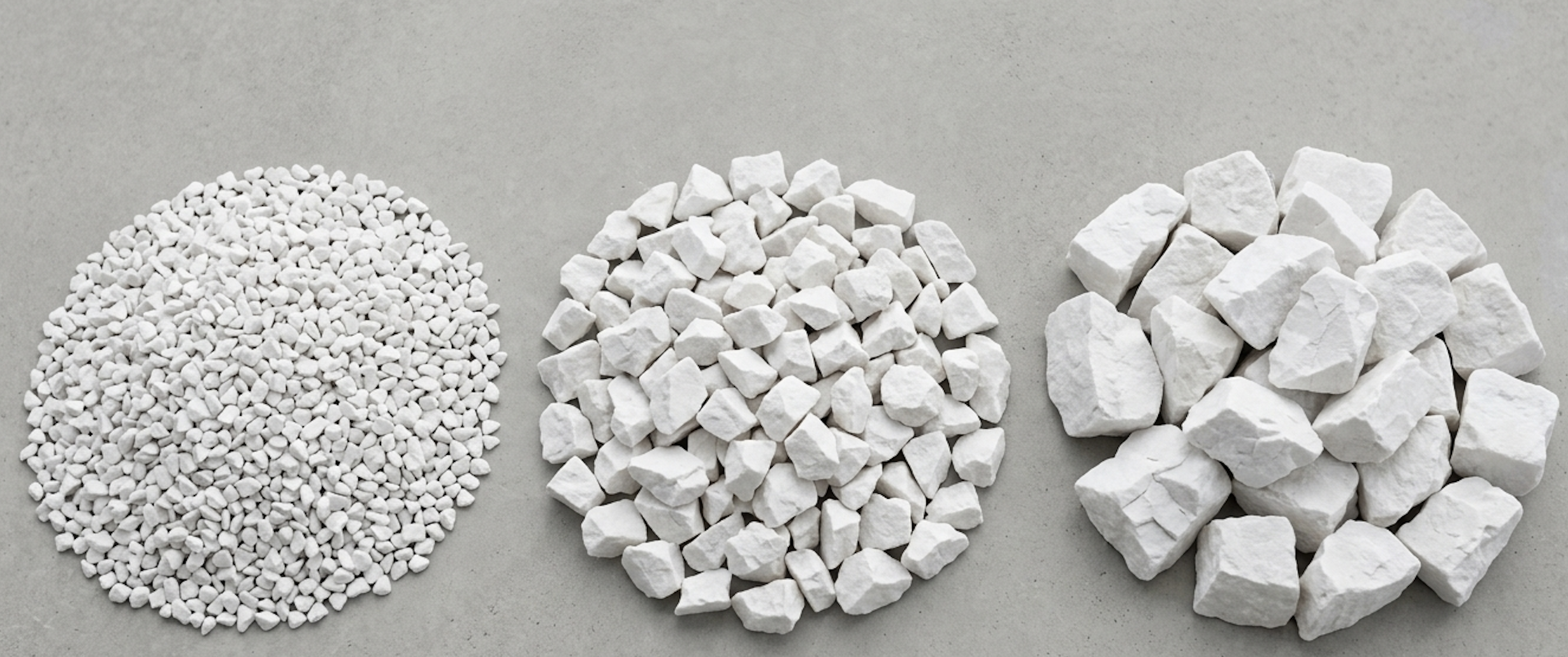
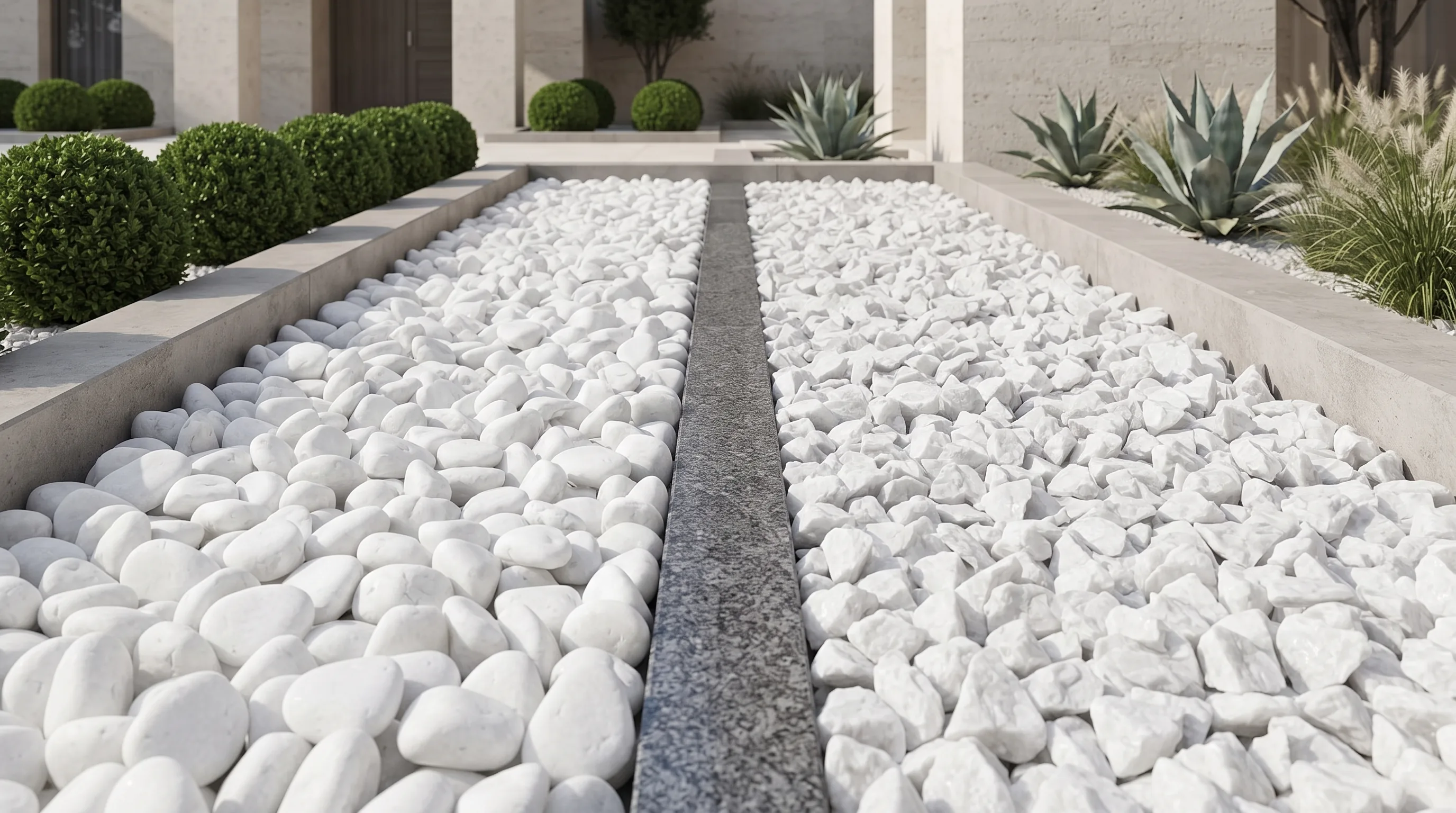
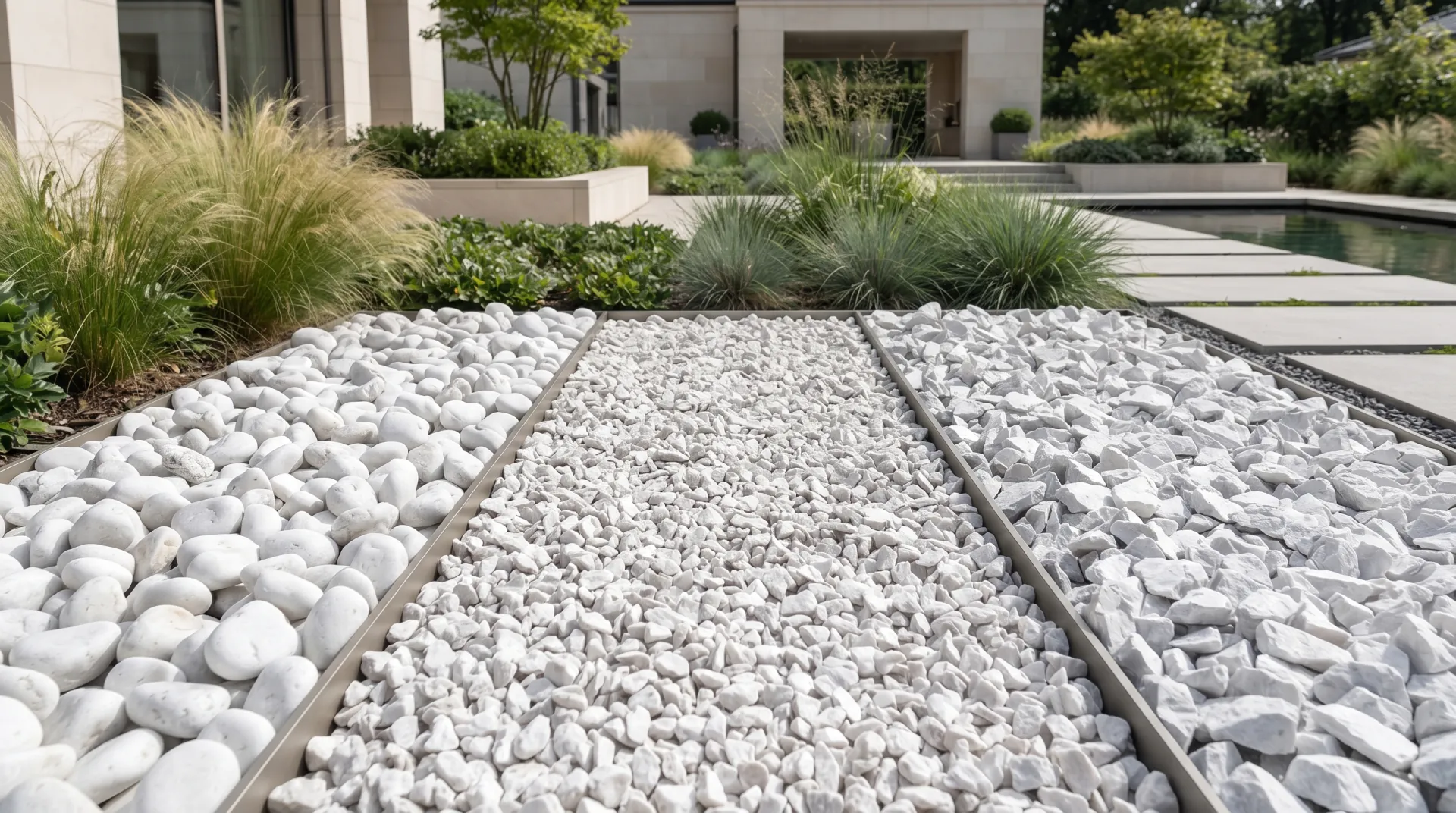
The terms gravel, pebbles and crushed stone are sometimes used interchangeably in decorative stone markets, but they do not always describe the same product form. White dolomite pebbles are generally rounded or tumbled decorative stones with smoother edges. Crushed white dolomite is mechanically processed into more angular pieces with sharper edges and a more structured surface texture. The word “gravel” can be broader. Depending on the market, supplier and application, it may refer to naturally rounded particles, mechanically crushed aggregate or simply a decorative loose-stone product within a certain size range. For buyers, the commercial name should therefore be treated as a starting point rather than a complete specification. Shape, grading, surface finish and intended use should always be confirmed before ordering.
What Are White Dolomite Pebbles?
White dolomite pebbles are decorative stones that are typically processed to achieve rounded, smoother edges. Tumbled pebbles are commonly used in visible landscape areas where appearance is a priority, including flower beds, fountains, courtyards, garden borders, villa entrances, stepping-stone paths and decorative ground-cover zones. Their rounded profile creates a softer and more refined visual effect than angular crushed material. This makes them especially suitable for modern landscape designs where the stone itself remains highly visible. KIYAMMAR supplies White Dolomite Tumbled Pebble Stone in selected grading ranges for landscaping and decorative projects.
What Is White Dolomite Crushed Stone?
White dolomite crushed stone is produced by mechanically breaking larger stone into smaller angular particles. Unlike tumbled pebbles, the pieces retain sharper edges and a more irregular geometry. This creates a more textured appearance and can also allow the particles to interlock more effectively in certain applications. Crushed dolomite can be used for decorative ground cover, garden paths, borders, planting areas, drainage-related layers and larger landscape surfaces. Its angular form makes it visually different from smooth tumbled pebbles even when both materials come from similar white dolomite stone.
What Does “White Dolomite Gravel” Usually Mean?
“White dolomite gravel” is often used as a general search or trade term rather than one precise product specification. In some markets, the term may describe small crushed dolomite. In others, it may refer to rounded decorative stone or a graded loose-stone product used for landscaping. This is why buyers should not approve a product based only on the word “gravel.” Before ordering, confirm: - whether the material is rounded or angular - the actual size range - whether it is washed or dusty - color consistency - intended application - packing format Product photos and grading information are especially useful when suppliers use different naming conventions.
Which Is Better for Garden Paths?
For paths, the best material depends on whether the stone is mainly decorative or expected to form part of the walking surface. Rounded pebbles are highly attractive around stepping stones and in decorative path borders. They create a softer appearance but can move more easily under repeated foot traffic if used as the main loose walking layer. Angular crushed stone can interlock more effectively and may be better suited to certain functional path surfaces when correctly installed over a prepared base. Edging, compaction, drainage and installation depth remain important in both cases. The word “gravel” alone is not enough to determine suitability. Buyers should confirm the actual shape of the material before specifying it for pedestrian areas.
Which Is Better for Decorative Ground Cover?
For decorative ground cover, both pebbles and crushed stone can work well. Tumbled white dolomite pebbles create a smoother, cleaner and more premium visual character. They are often selected for smaller feature zones, planter beds, fountains, courtyards and landscape details where the individual stones remain visible. Crushed white dolomite creates a sharper and more textured surface. It can be useful across larger planting beds, architectural borders and modern landscape areas where a structured appearance is preferred. The selection depends primarily on the visual concept, surface area and maintenance expectations of the project.
How Does Stone Size Affect the Result?
Stone size changes both the appearance and the practical behavior of the landscape surface. Smaller grading generally produces a more compact and uniform finish. Medium sizes create more visible texture, while larger stones can be used as stronger decorative accents. For rounded pebbles, KIYAMMAR currently lists common size ranges such as 1–3 cm, 2–4 cm, 4–6 cm and 6–10 cm, subject to stock and order confirmation. Crushed-stone grading should also be confirmed before purchase because suppliers may use different nominal size ranges and tolerances. For B2B projects, grading consistency can be just as important as the nominal size itself.
What Should B2B Buyers Confirm Before Ordering?
Before placing a commercial order for white dolomite gravel, pebbles or crushed stone, buyers should confirm the exact product form rather than relying only on the sales name. Key points include: - stone shape - grading range - color range - washing or tumbling process - quantity - packing method - destination - intended application Current product photos, packing details and loading information should also be reviewed before final order approval. For repeated orders, buyers should additionally discuss supply continuity and acceptable visual variation between shipments.
Which White Dolomite Product Should You Choose?
Choose tumbled white dolomite pebbles when the project prioritizes a rounded, smooth and decorative appearance. Choose crushed white dolomite when the project requires a more angular, textured material for ground cover, paths, borders or larger landscape areas. Use the term white dolomite gravel carefully because it can describe different material forms depending on the supplier or market. For accurate specification, ask for the actual stone shape, grading and product photographs before placing an order. KIYAMMAR can provide current information for White Dolomite Tumbled Pebble Stone and Premium White Dolomite Crushed Stone, including available sizes, packing options and project-based supply details.